Localización
Quito - Amaguaña

Quito - Amaguaña
Trying to quit cold turkey on your own can lead to withdrawals, which can cause new health risks, such as experiencing an REM sleep behavior disorder. As you address your alcohol dependency under medical supervision, better-quality sleep is only one of the valuable benefits you’ll experience. Drinking to excess before bed also plays havoc with the REM sleep stage. Studies indicate an evening of heavy drinking leads to a significant reduction in REM sleep during the first half of the night. If you’re having sleep-related problems, consider cutting back or giving up alcohol.

Alcohol also affects circadian rhythms – the 24-hour body clock that responds to environmental light cues in order to synchronise our sleep-wake cycle. One of the ways our circadian rhythm does this is through the release of specific hormones at does alcohol help you sleep certain times of the day. For instance, our body will release melatonin during the hours of darkness to help us feel tired – and stay asleep throughout the night.
The study, which followed over 13,000 participants, found that people who regularly drink alcohol are more likely to experience poor sleep quality compared to those who don’t. What’s particularly interesting is that this relationship works in one direction — drinking leads to poor sleep, but poor sleep doesn’t necessarily lead to more drinking. In the initial hours after consuming alcohol, individuals may experience an increase in light sleep. This might feel beneficial at first https://ecosoberhouse.com/article/5-ways-to-reduce-alcohol-cravings/ because it can lead to quicker slumber.
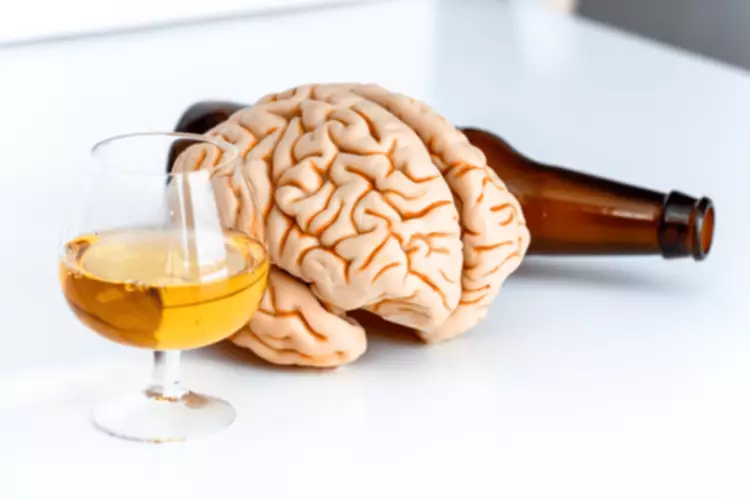
While some people find that drinking alcohol helps them fall asleep more easily, alcohol ultimately has a negative impact on sleep. Even in moderate amounts, Drug rehabilitation alcohol consumed in the hours before bedtime can cost you sleep and leave you feeling tired the next day. Based on data from roughly 160,000 Sleep Foundation profiles, nearly 90% of respondents who regularly consume alcohol in the evening have reported at least one sleep-related problem.
The most effective time of day for the body to metabolize alcohol, according to research? That’s right, the traditional “happy hour” time is actually when the body is most prepared to process that cocktail. If that mimosa with brunch hits you particularly hard, it may be the result of circadian timing.
The typical sleep cycle begins with three non-rapid eye movement (NREM) stages of sleep and ends with rapid eye movement (REM). During sleep, the body cycles through all of these stages every 90 to 120 minutes, with NREM sleep dominating the first part of the night and REM increasing during the second part of the night. Each stage is necessary for sleep to feel refreshing and for vital processes like learning and memory consolidation to occur. Having alcohol in your system when going to bed can increase the person’s chances of having vivid dreams, sleepwalking, or nightmares. Additionally, alcohol can cause dehydration, which can lead to more vivid and intense dreams as your brain works to compensate for the lack of fluids.
Being a sedative and depressant of the central nervous system, alcohol can increase feelings of tiredness and sluggishness. One of the side effects of alcohol is drowsiness, so it can make you fall asleep quickly. Sleep deprivation due to alcohol consumption can exacerbate performance impairment and daytime sleepiness. Drinking alcohol can affect the quality and length of your sleep, leading to sleep disorders — such as insomnia and sleep apnea — in some. A newer study found that one dose of alcohol had no effect on the circadian rhythm in rodents.
